The History of German Nutcrackers

The nutcracker was invented around the 17th century and is one of the most famous wooden crafts to hail from Germany. The nutcracker’s popularity grew in the 19th century and became synonymous with Christmas time decorations. German-made nutcrackers come in a variety of colours and different heights to suit everyone’s taste. All the nutcrackers we carry in our online shop are handmade and painted by hand, making them unique pieces of art that make an excellent gift for your loved ones. While the early nutcrackers were functional and used to crack nuts, many of those sold today are purely decorative. Today we talk all about the history of these special Erzgebirge wooden crafts.
Where Do Nutcrackers Come From?
Erzgebirge, or the Ore Mountains, is the world-famous forest region for handmade wooden products and arts that keep traditional craftsmanship alive. By the 17th century, mining for precious metals in the area came to a standstill, and the miners needed other ways to make money to survive. Some turned to agriculture, but with poor weather conditions, this occupation was seasonal and couldn’t support the community all year round. In turn, new skills flourished, like textile making and woodworking. While small mining projects continued to happen over the years, it was the flourishing of wooden toys, decorations and souvenirs that stood the test of time and made Erzgebirge famous.
What Is the Purpose or Meaning behind the Nutcracker?
The nutcracker was first designed in the shape of people, birds and other animals and was used to crack nuts at dessert time. Later in the 1700s, the nutcracker was depicted as a soldier and was meant to protect your house from bad energy and spirits with his strength and power. He also brings your family good luck. Of course, you don’t need to have German roots or even care about the history of nutcrackers to enjoy their symbolism and heritage.
Why Are Nutcrackers Associated with Christmas?
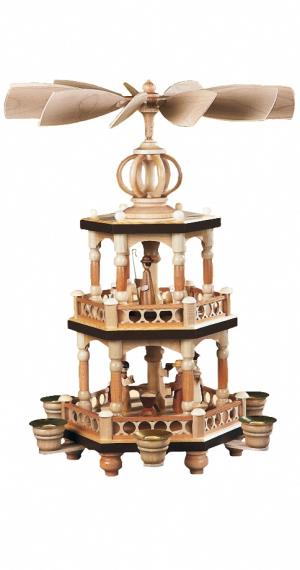
You may have seen Erzgebirge wooden handicrafts at Christmas markets around the world and in souvenir shops across Germany, which may leave you wondering how the nutcracker became associated with Christmas time. In 1892, the release of the Tchaikovsky ballet The Nutcracker had families going to the ballet around Christmas. This ballet was based on an E.T.A. Hoffmann fantasy story called The Nutcracker and the Mouse King. By the 20th century, the ballet had become very popular in the United States, and the nutcracker took his place as a standing figure with other Christmas decorations, like wooden arches or pyramids.
How Can I Purchase a Real Nutcracker from Germany?
Erzgebirge wooden crafts are special because they keep the artisan tradition of hand-crafted wooden arts alive. Each piece is made by hand, from the detailed carving to the painting and assembling of the figurines. The nutcracker can have 60 separate pieces that need to be assembled with great precision. Imitation knockoffs will not be handmade or use the same wood quality as those in the Erzgebirge region.
There’s an association for skilled artists called Erzgebirgische Volkskunst, which includes manufacturers following the traditional methods of woodworking. The trademark symbol “Echt Erzgebirge-Holzkunst mit Herz” will be on the products made in Germany, so make sure you do not buy an imitation. Your purchase of an authentic wooden craft helps support the continued artisanship of woodworking in Germany. These colourful little soldiers will stand the test of time and be passed down through the generations for all to love.